Manual, fragmented work
Gas detector installation and maintenance was traditionally labour-intensive, paper-heavy, and often required engineers to work in pairs.
Case Study
Designing a smarter installation and maintenance experience for industrial gas detection.
As part of a collaboration with Design Partners and Honeywell, I led the digital experience design for a connected mobile solution that worked alongside the Honeywell Sensepoint XCL industrial gas detector.
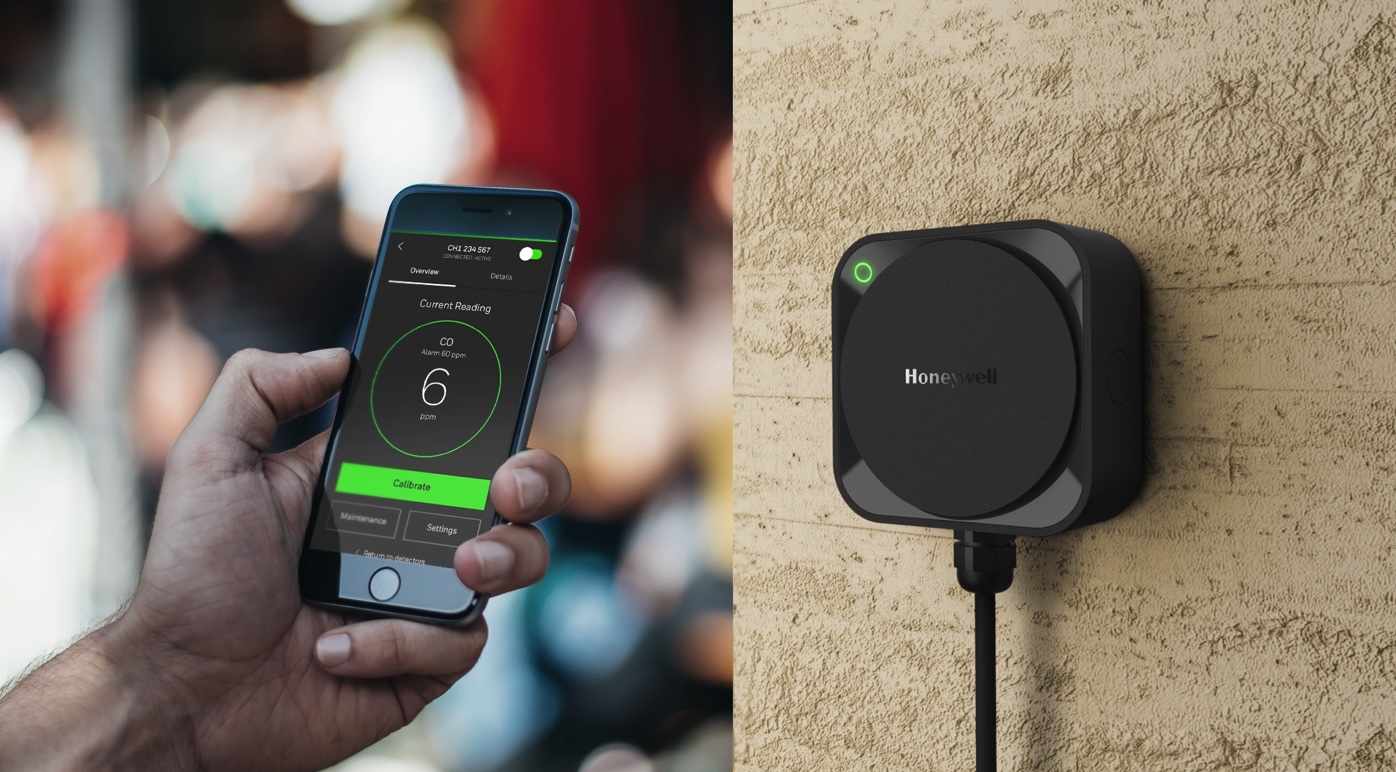
Project Snapshot
Gas detector installation and maintenance was traditionally labour-intensive, paper-heavy, and often required engineers to work in pairs.
Industrial gas detectors are critical safety products. The experience needed to simplify complex workflows while preserving trust, sequence, and technical accuracy.
I led ethnographic research, translated field insight into product requirements, designed key mobile flows, prototyped realistic scenarios, and supported hardware-software alignment.
The final product experience contributed to measurable efficiency improvements across installation, commissioning, calibration, and maintenance.
Impact Signals
Before / After
System Model
Process
I led ethnographic research across three countries, shadowing and interviewing gas maintenance engineers as they completed real jobs.
We conducted remote interviews with users in Ireland, the UK, Germany, the US, and the Netherlands, and gathered survey responses from 13 expert users.
We ran workshops with Honeywell and Design Partners to align around product opportunity, user needs, and the end-to-end experience.
The design challenge was not simply to create an app interface. It was to reduce friction across a safety-critical field workflow.
To make testing realistic, we created a native prototype that interacted with the physical device.
We tested in Ireland and the Netherlands, observing how engineers interacted with the app, the detector, and the broader workflow.
Artifacts
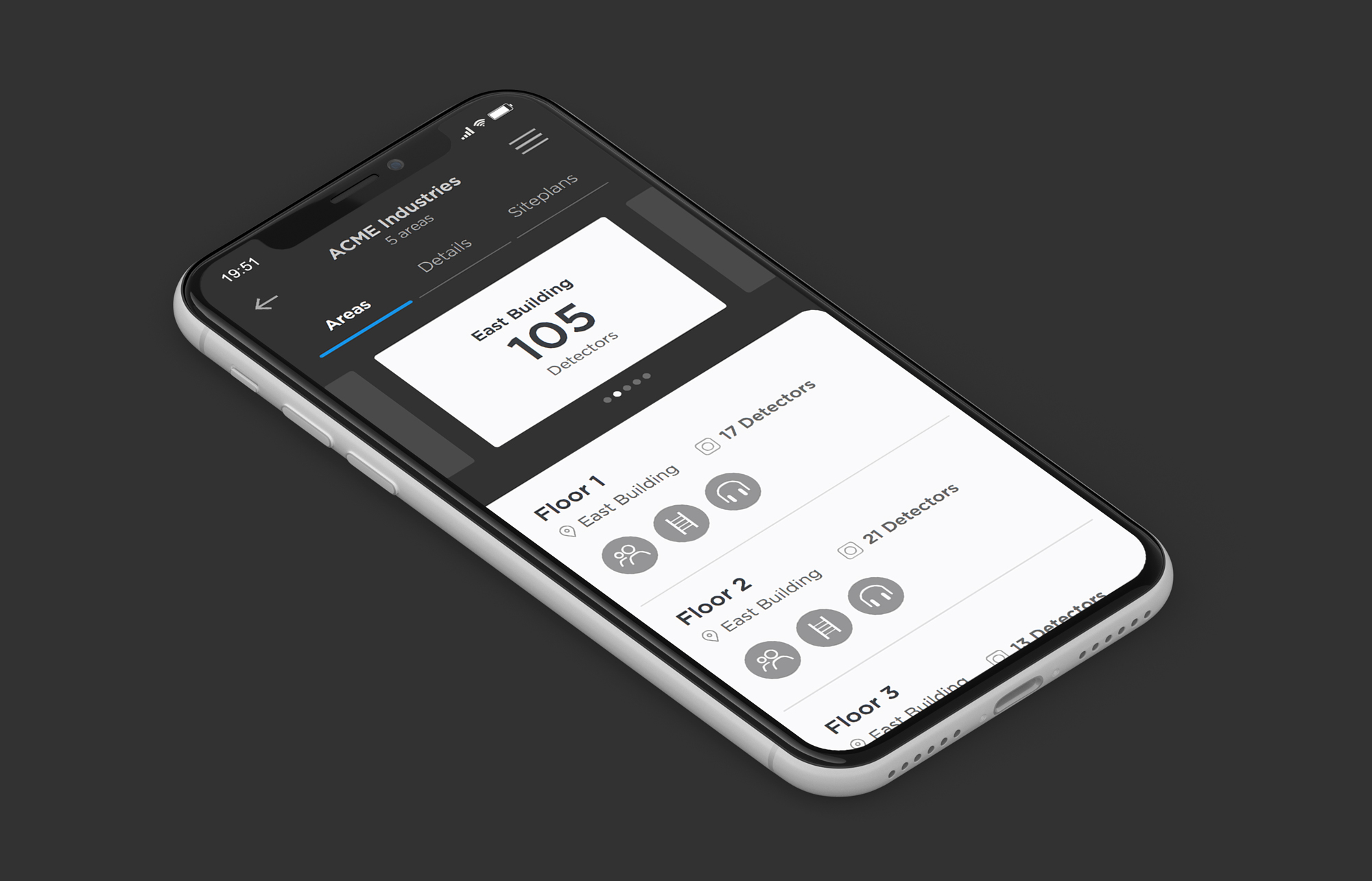
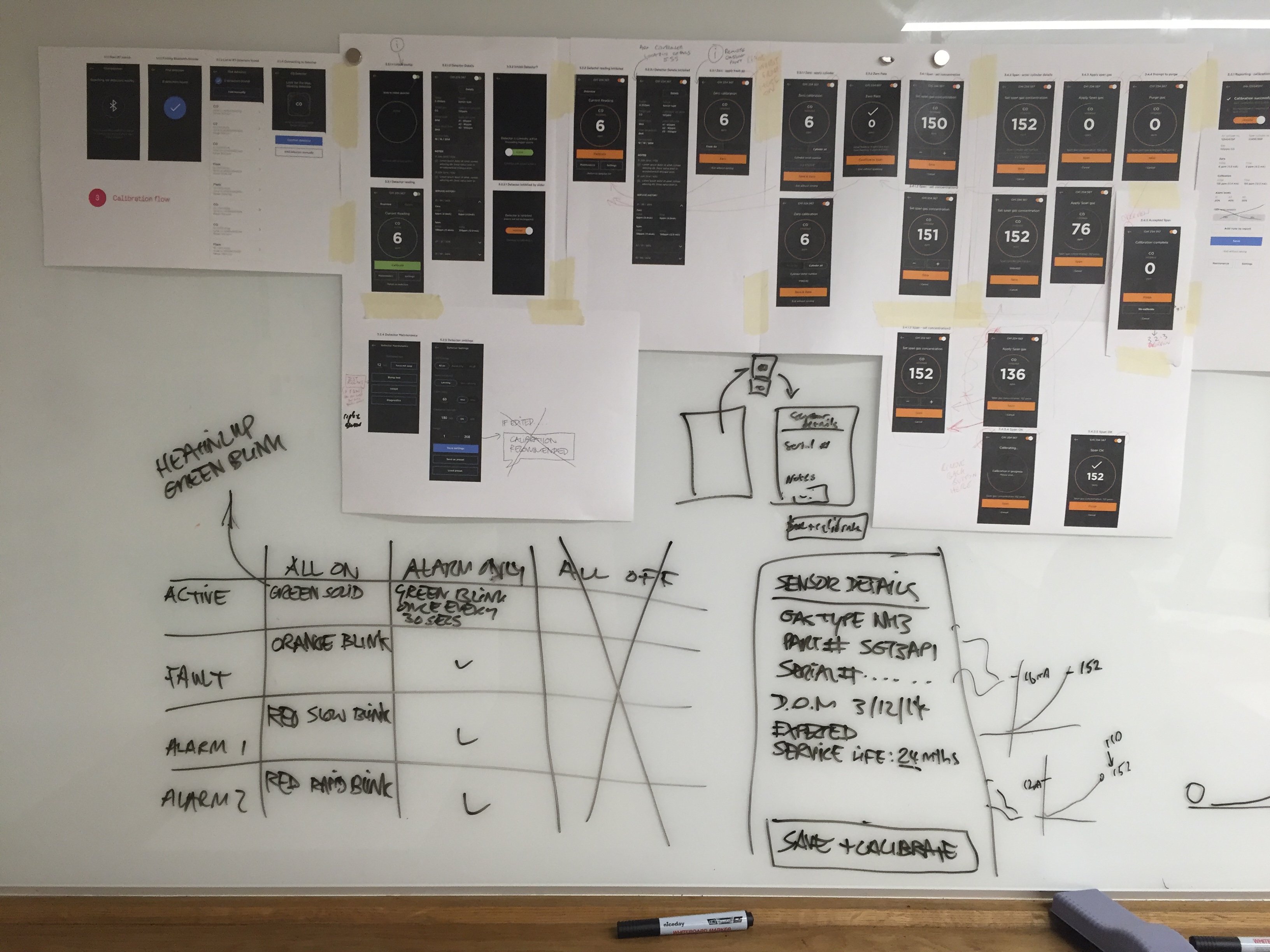
Design Decisions
For field engineers, the most important thing was knowing what needed to happen next and whether the task had been completed successfully.
The app experience focused on clarity and confidence, especially around wireless connection, technical feedback, and completion states.
The value of the work came from understanding the engineer, the device, the environment, paperwork, safety requirements, and business need for efficiency.
Reflection
This project was a strong example of designing across physical and digital touchpoints. The value of the work came from understanding the full service context: the engineer, the device, the environment, the paperwork, the safety requirements, and the business need for efficiency.
Rather than treating the app as a standalone interface, we designed it as part of a broader product ecosystem. The digital experience helped make the physical product easier to install, commission, use, and maintain.
For me, the project reinforced the importance of field research, realistic prototyping, and designing around the actual conditions in which people work. In complex industrial environments, great experience design is often about removing small but meaningful points of friction from a larger system.